Harvard Gazette
Why Stress Can Make Your Hair Fall Out
December 2025
 Hair Loss Reporter
An independent guide to everything hair loss.
Science-backed research, treatment guides & updates.
Independent Reviews
We compare treatment selection, clinical access, pricing, safety, and the details that matter before you subscribe.
Our Standard
There’s a lot of noise on the internet when it comes to hair loss. Miracle cures, pseudoscience, and sponsored content disguised as advice — it’s genuinely hard to know who to trust.
Every claim on this site is backed by sources from established medical institutions, peer-reviewed journals, or professional bodies with verifiable editorial standards. We don’t cite blogs. We don’t cite brands. We cite science.
Peer-reviewed sources only. Claims are grounded in published clinical research, not anecdote or marketing copy.
No sponsored content. Rankings and recommendations are editorial — we are not paid to feature any product or brand.
Independent assessments. Treatment guides are based on our own review criteria, clinical evidence, and verifiable standards.
Glossary
FAQ
Does finasteride actually regrow hair?
For many men, yes — but the primary benefit is stopping further loss. Clinical trials show that about two-thirds of men on oral finasteride see increased hair count over two years, with the best results at the crown. It works by reducing scalp DHT by roughly 70%, which slows and can partially reverse follicle miniaturization.
Can I use minoxidil and finasteride together?
Yes, and the evidence supports it. Finasteride addresses the hormonal driver of hair loss while minoxidil stimulates follicle activity through a separate pathway. Multiple studies show the combination produces better hair count and density than either treatment alone.
How long before hair loss treatment shows results?
Most treatments need at least six months before visible improvement. The hair growth cycle runs three to six months, so early stopping is the most common reason treatment fails. Minoxidil may show some change sooner; finasteride and dutasteride typically need six to twelve months.
Does stress cause hair loss?
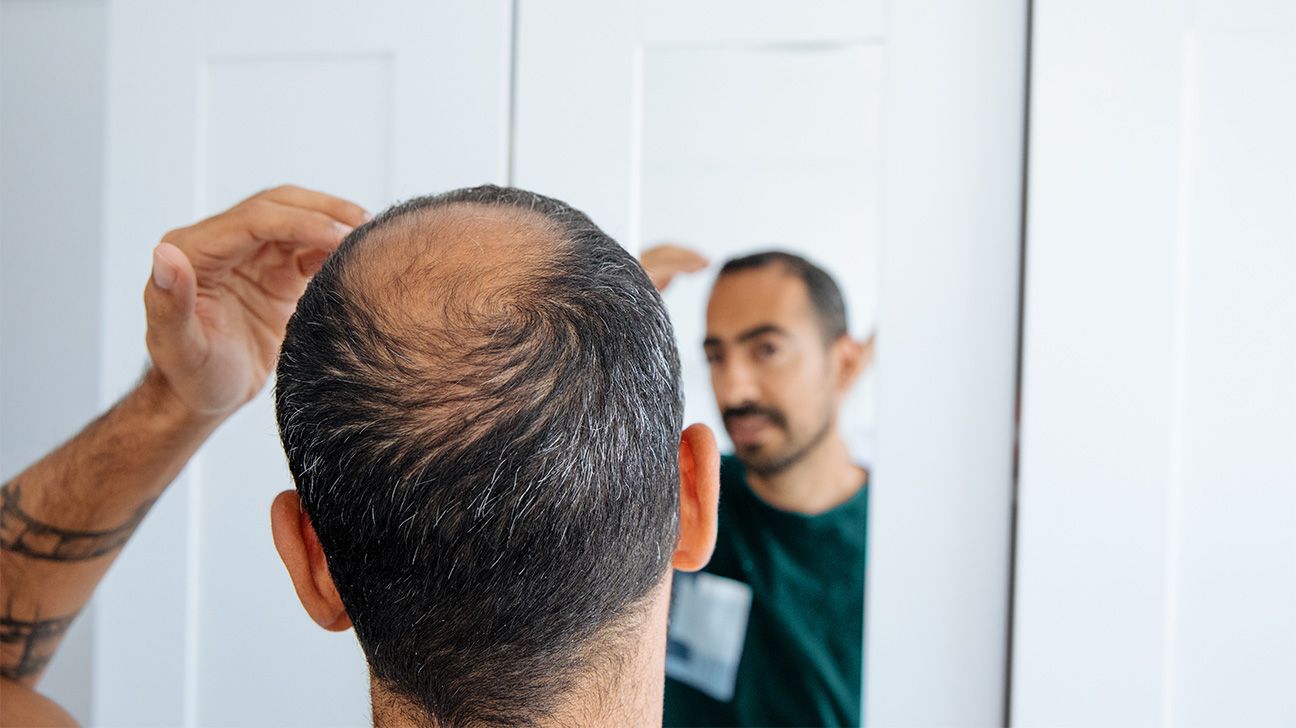
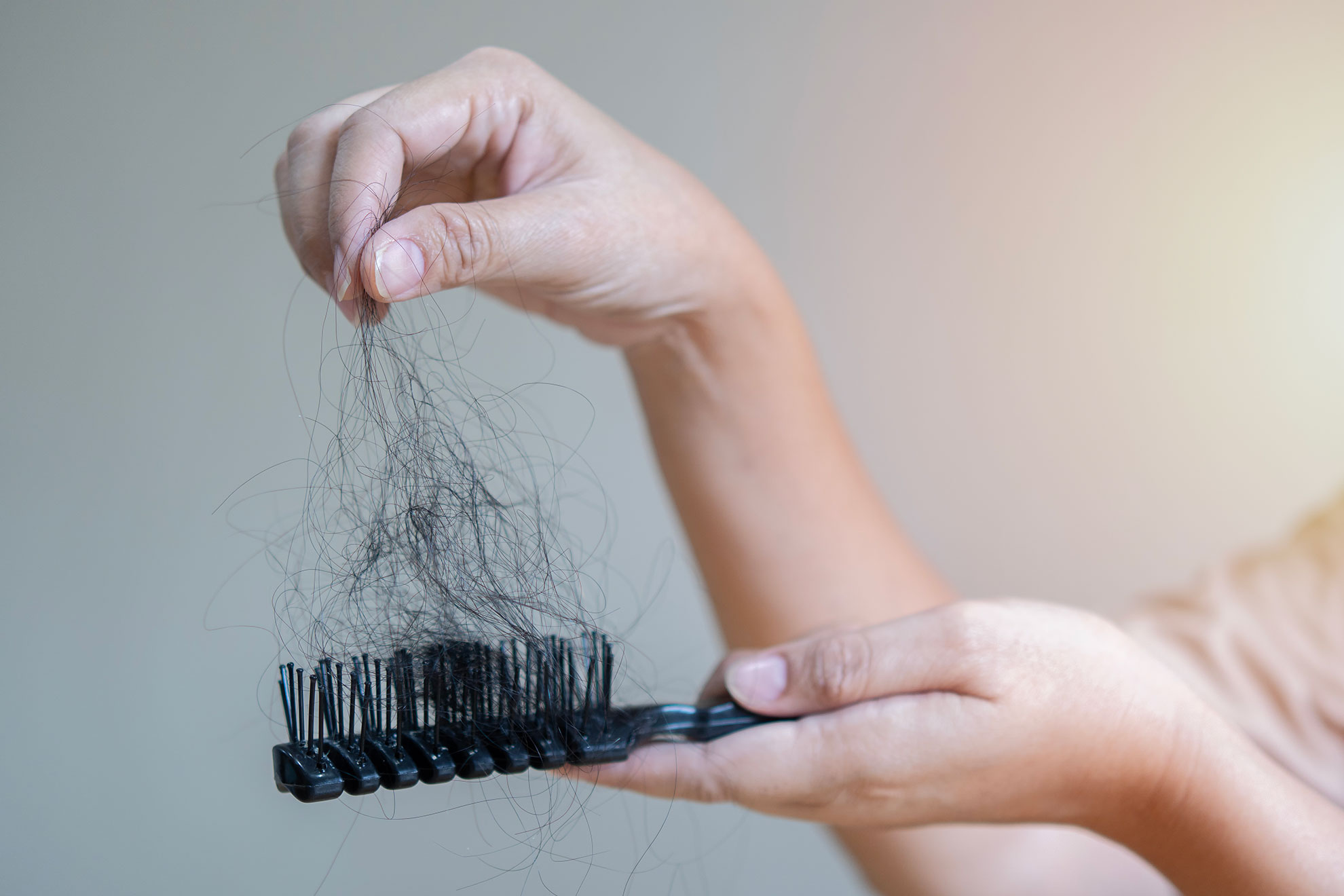
Stress can trigger telogen effluvium — a temporary, diffuse shedding caused by a shock to the hair cycle — but it does not cause androgenetic alopecia (genetic pattern baldness). Significant physiological or psychological stressors are the usual triggers, not ordinary day-to-day stress.
Is dutasteride better than finasteride?
Clinical trials consistently show dutasteride produces greater hair count and width improvements than finasteride at standard doses, because it blocks both Type I and Type II 5-alpha reductase. It is not FDA-approved for hair loss in the U.S. and is typically considered when finasteride has not produced adequate results.
Do natural ingredients like saw palmetto work?
Saw palmetto has the strongest evidence among natural DHT inhibitors, with some trials showing meaningful improvement — but it is consistently less effective than prescription finasteride. Other popular ingredients like biotin only help if you are genuinely deficient, which is uncommon.
Events