Best Topical Minoxidil: Top 6 Products of 2026
Topical minoxidil is the most widely used treatment for hair loss in both men and women, with FDA approval and decades of clinical evidence behind it. In 2026, a wide range of formulations are available — from standard 5% solutions to advanced multi-ingredient sprays. Not all are equal. We’ve ranked the 8 best products to help you choose.
Topical minoxidil at 2% and 5% concentrations is available over the counter in most countries. Higher concentrations and combination formulations may require a prescription.
What is it?
What is topical minoxidil?
Minoxidil is a vasodilator that, when applied topically to the scalp, increases blood flow to hair follicles and prolongs the anagen (growth) phase of the hair cycle. Originally developed as an oral antihypertensive, its hair growth effects were discovered as a side effect. It became the first FDA-approved topical treatment for androgenetic alopecia and remains the most widely used pharmacological option globally.
Clinical trials consistently show topical minoxidil produces statistically significant increases in hair count and hair weight versus placebo. In a pivotal 48-week randomized controlled trial, 5% minoxidil produced approximately 40% more hair growth than the 2% formulation, making concentration an important variable in product selection.
- Increase blood flow and nutrient delivery to hair follicles
- Extend the anagen (growth) phase of the hair cycle
- Stimulate follicle activity in areas of active thinning
- Produce measurable increases in hair count and density
- Complement prescription DHT-blocking treatments
- Regrow hair in both men and women androgenetic alopecia
Initial shedding in the first 2 to 8 weeks is normal and does not mean the treatment isn’t working. Minoxidil pushes follicles from a resting phase into active growth, which can cause already dormant hairs to shed. Uers who push through this period see clear stabilization and density improvements by month 3 to 6.
- Androgenetic alopecia continue to progress
- Hair shaft diameter progressively decreases with each cycle
- Thinning areas become more visible and pronounced
- Loss of density that may be difficult to fully reverse later
- Missed opportunity for the highest-response treatment window
What to watch out for
Common mistakes when buying topical minoxidil.
Choosing the lowest price without checking the formulation
Generic minoxidil solutions often contain propylene glycol, a common irritant. Foam formulations or liquid formulations without propylene glycol may offer the same efficacy with significantly better tolerability for daily long-term use.
Applying to damp or wet hair
Minoxidil should be applied to a dry scalp for best absorption. Applying to damp hair dilutes the active and reduces penetration. Allow the scalp to dry completely before applying.
Stopping after the initial shedding phase
The temporary shedding that occurs in weeks 2 to 8 is one of the most common reasons people discontinue. This phase resolves and typically precedes a clear improvement period.
Not applying consistently
Minoxidil effectiveness is dependent on consistent daily application.
Expecting results without addressing DHT for men
Topical minoxidil stimulates follicle activity but does not address the underlying DHT-driven miniaturization in androgenetic alopecia. Combining with a DHT blocker produces the most durable long-term outcomes.
Formulation types
Types of topical minoxidil formulations.
5% solution (liquid)
The original and most studied formulation. Highly effective but typically contains propylene glycol, which can cause scalp irritation in sensitive users.
Most studied5% foam
Propylene glycol-free in most formulations. Lighter, easier to apply, and faster-drying than the liquid. Popular for sensitive scalps.
PG-free2% solution
The original FDA-approved dose for women. Still widely used, though 5% consistently outperforms it in clinical trials.
For womenCombination sprays
Topical minoxidil increasingly combined with actives — finasteride, dutasteride, caffeine, melatonin, or tretinoin — in a single spray. Tretinoin enhances the bioavailability of minoxidil.
Multi-mechanismPrescription-strength formulas
Concentrations above 5% and certain combination products require a clinician prescription. Appropriate for patients who haven’t responded to OTC strengths.
Rx requiredMinoxidil with tretinoin
Tretinoin (retinoic acid) enhances minoxidil absorption and efficacy. Several providers now offer this combination as a prescription topical.
Enhanced bioavailabilityRanked
Top 6 Topical Minoxidil Products of 2026
Rankings consider formulation quality, concentration, ingredient transparency, tolerability, value, and evidence behind any additional actives.
At a glance: how they compare
| Product |

Ulo
|

Keeps Min+
|

Hers Foam
|
Musely
|
Rogaine
|

Happy Head
|
| Prescription required | ||||||
| Propylene glycol-free | ||||||
| Includes retinoic acid | ||||||
| Combine w/ DHT blocker | ||||||
| Customizable formula | ||||||
| Transparent pricing |
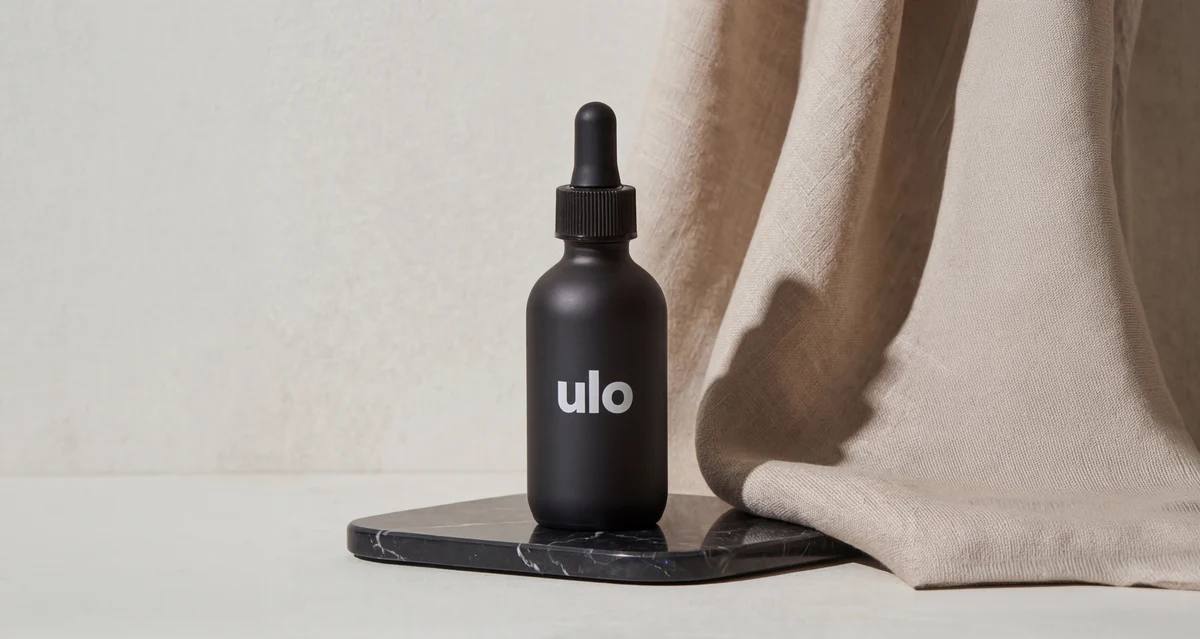
Ulo is a telehealth brand specializing in personalized, medically driven hair loss treatments. Their 7% topical minoxidil is highly-personalizable and can be combined with prescription-grade DHT blockers, tretinoin, cetirizine, melatonin, and caffeine in a single formula. Both standard and higher-concentration options are available for combination DHT blockers, in a propylene glycol-free base, tailored to each patient's individual hair loss profile.
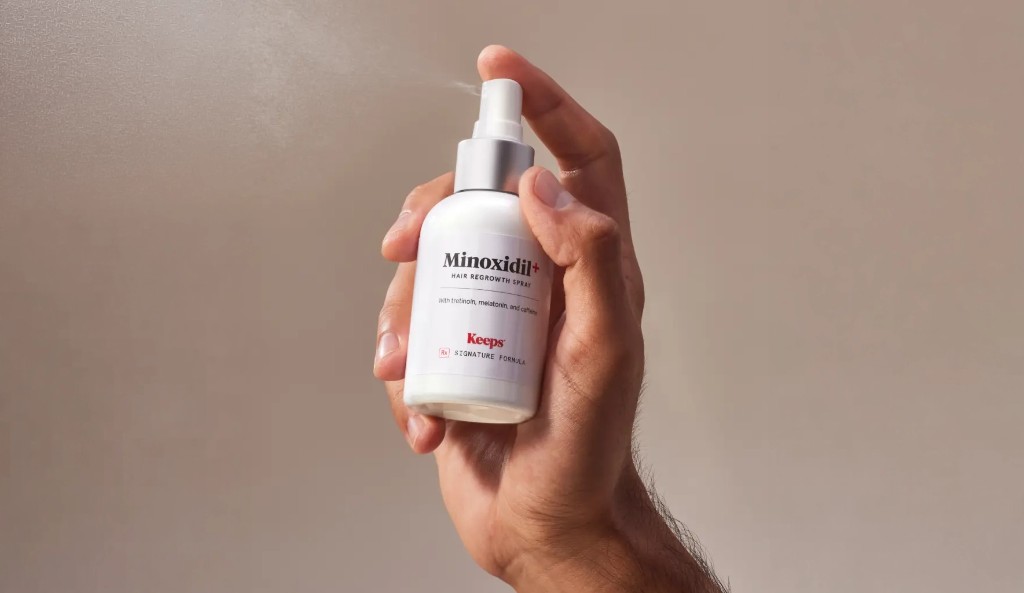
Keeps Minoxidil+ is a compounded prescription spray combining 5% minoxidil with tretinoin (0.01%), caffeine (0.2%), and melatonin (0.1%). The tretinoin enhances minoxidil absorption to the point where once-daily application is sufficient, while caffeine supports follicle health and melatonin provides antioxidant and mild DHT-inhibiting effects.
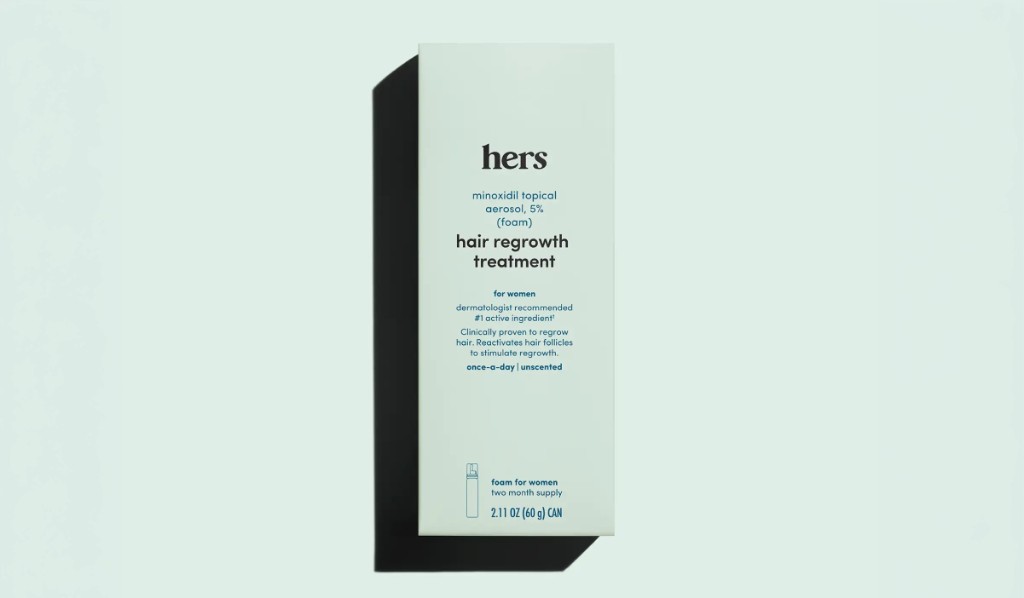
Hers offers FDA-approved 5% minoxidil in a propylene glycol-free foam formulation designed specifically for women with androgenetic alopecia. The foam format absorbs quickly, is non-greasy, and dries without residue — making it well-suited to daily use in a hair-styling routine. It is available over the counter and by subscription, with no consultation required for the standard 5% foam.
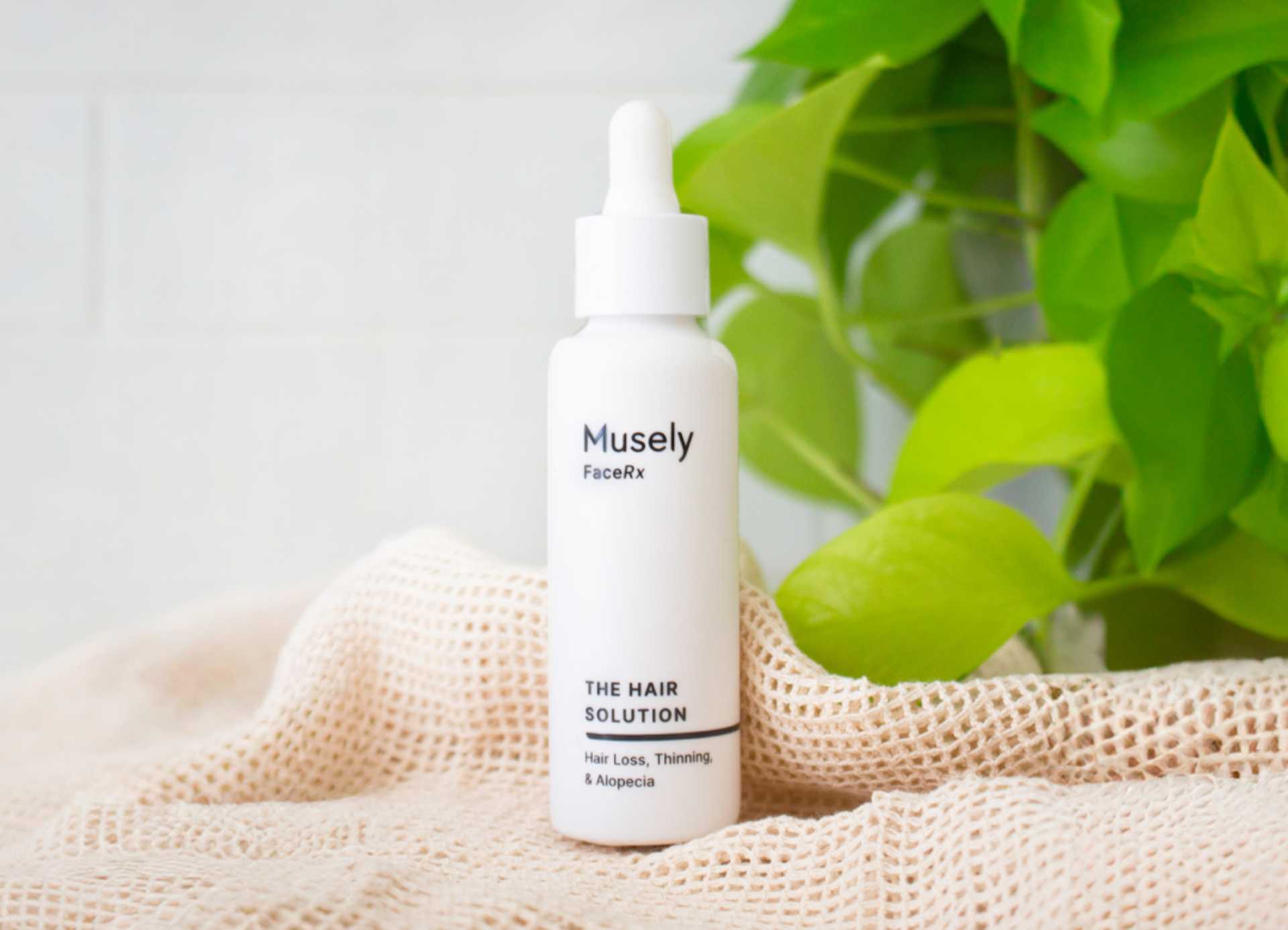
Musely's Hair Topical Solution Classic is a prescription compounded formula that can include up to 8% minoxidil alongside dutasteride, tretinoin, ketoconazole, spironolactone, and hydrocortisone. Board-certified dermatologists handle the initial consultation, and the formula is customized based on individual clinical needs. It is available for both men and women, with pricing from $33/mo.
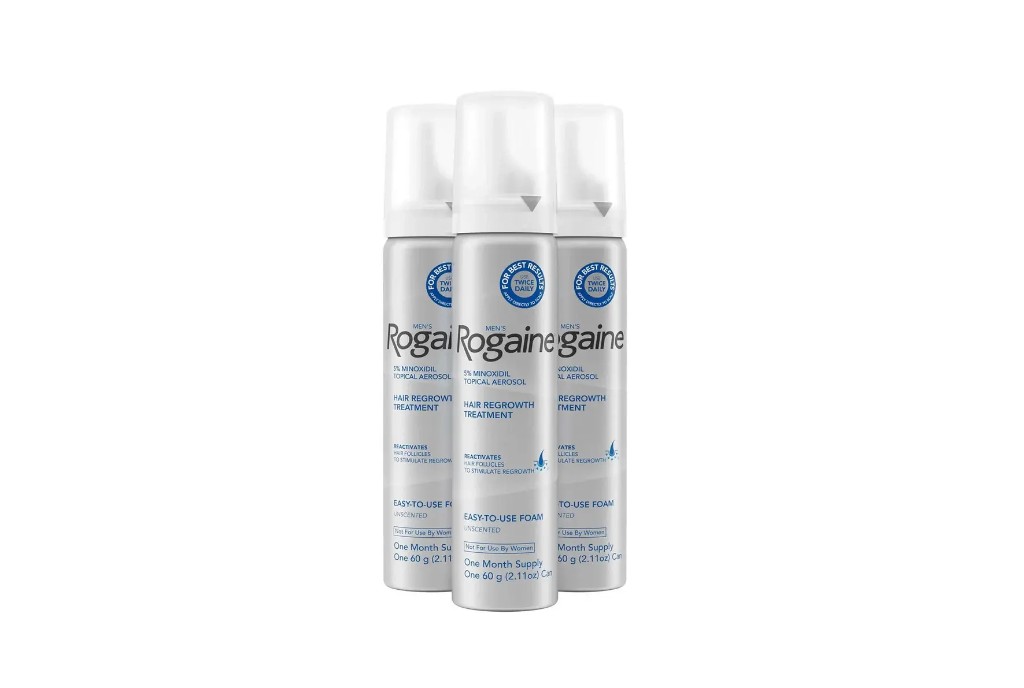
Rogaine is the original branded minoxidil, and its 5% foam for men and women remains one of the most widely studied and trusted options available. The foam is propylene glycol-free, once-daily, and backed by decades of clinical data. It is available over the counter without a prescription across most pharmacies and online retailers.
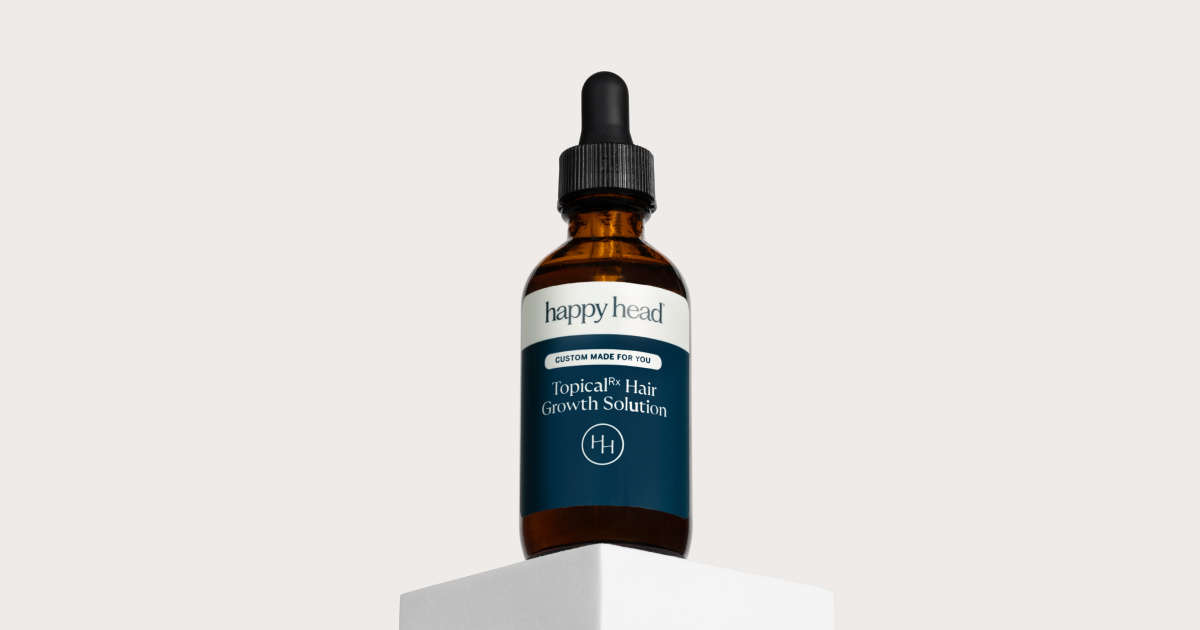
Happy Head offers a prescription topical minoxidil formulation with retinoic acid (tretinoin), compounded at up to 8% minoxidil concentration. The retinoic acid is included to enhance scalp absorption and minoxidil efficacy. Dermatologist support is available, and delivery is offered across most US states. An optional ketoconazole add-on is also available for scalp health.
FAQs
Frequently asked questions.
Get started
Not sure where to start?
We’ll point you to the approach and products best suited to your profile.
- Olsen EA et al. A randomized clinical trial of 5% topical minoxidil versus 2% topical minoxidil and placebo in the treatment of androgenetic alopecia in men. J Am Acad Dermatol. 2002;47(3):377–385.
- Lucky AW et al. A randomized, placebo-controlled trial of 5% and 2% topical minoxidil solutions in the treatment of female pattern hair loss. J Am Acad Dermatol. 2004;50(4):541–553.
- Shin HS et al. Combination of 5% minoxidil and 0.01% tretinoin for androgenetic alopecia. Am J Clin Dermatol. 2007;8(5):285–290.
- Fischer TW et al. Topical melatonin for treatment of androgenetic alopecia. Int J Trichology. 2012;4(4):236–245.
- Dhurat R et al. An Open-Label Randomized Multicenter Study Assessing the Noninferiority of a Caffeine-Based Topical Liquid 0.2% versus Minoxidil 5% Solution in Male Androgenetic Alopecia. Int J Trichology. 2017.