Best Topical Finasteride: Top 5 Products for Regrowth
Topical finasteride delivers one of the most clinically-supported active ingredients for hair loss directly to the scalp, minimizing systemic exposure while maintaining efficacy. In 2026, a growing number of formulations are available. But, not all are equal in quality, concentration, or formulation base. We’ve reviewed the top 5 to help you find the right one.
Topical finasteride is a prescription medication. All products reviewed require a licensed clinician consultation before prescribing. Always seek medical advice before starting treatment.
What is it?
What is topical finasteride?
Topical finasteride is a scalp-applied formulation of finasteride. Oral finasteride is FDA-approved to treat hair loss and works by inhibiting DHT, the hormone responsible for hair loss. When delivered topically, finasteride reduces scalp DHT with significantly lower systemic exposure compared to the oral form.
Studies show topical finasteride at 0.25% can reduce scalp DHT by over 70%. This makes it a compelling option for those who want the DHT-blocking effects of finasteride with reduced systemic exposure.
- Reduce DHT levels in the scalp without significant systemic suppression
- Slow or stop the progression of androgenetic alopecia
- Support new hair growth
- Maintain hair density in stabilized areas
- Complement minoxidil or other topical actives
- Offer an alternative for men who experience side effects with oral finasteride
Look for products that combine finasteride with minoxidil for synergistic growth support.
- Follicle miniaturization continues over time
- Hair shaft diameter decreases with each growth cycle
- Hairline recession and crown thinning advance
- With time, follicles may become permanently inactive
- The window for effective pharmacological intervention narrows
What to watch out for
Common mistakes when buying topical finasteride.
Ignoring the vehicle / base
The delivery vehicle affects absorption and tolerability just as much as the active ingredient. Propylene glycol-containing solutions cause irritation in many users. Ask about the base before ordering.
Expecting results too quickly
Topical finasteride, like all DHT blockers, requires 3 to 6 months for stabilization to become apparent. If treatment is discontinued in this period, you may miss results before they actually appear. It's best to wait at least 3-6 months before switching formulas to gauge your results.
Using excessive doses
Finasteride has a logarithmic dose-response relationship. In other words, results don’t necessarily improve as the dose increases. This means that doses above 5 mg per day offer little to no additional benefit and only increase the risk of side effects. As a result, excessive dosing (i.e. 0.5% topical finasteride or more) is something to be wary of. More is not always better.
Ranked
Top 5 Topical Finasteride Products of 2026
Our rankings consider formulation quality, compounding standards, clinician access, personalization, and pricing transparency.
At a glance: how they compare
| Product |  Ulo |  Strut |  Ro |  Happy Head |  Hims |
| Prescription required | |||||
| Propylene glycol-free base | |||||
| Combine with minoxidil option | |||||
| Adjustable concentration | |||||
| Customizable formula | |||||
| Transparent pricing |
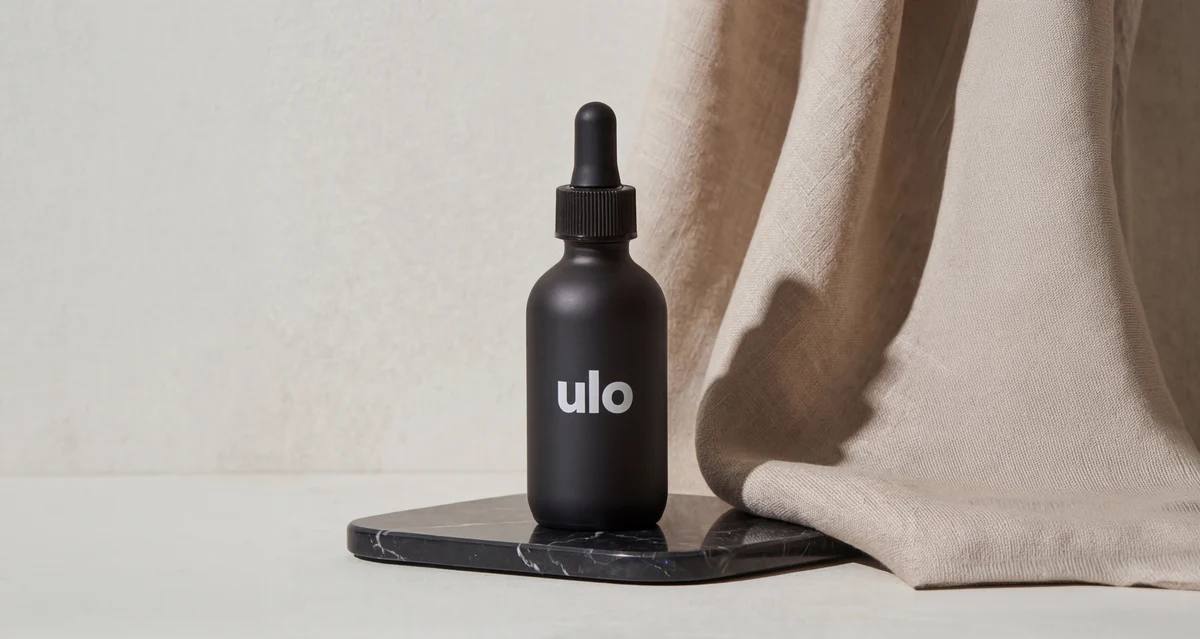
Ulo is a telehealth brand focusing on personalized, medically driven hair loss treatments, including both oral and topical finasteride. Ulo’s topical finasteride is available in two strengths, 0.005% and 0.2%, and can be compounded with other prescription-grade ingredients (like minoxidil, tretinoin, cetirizine, and more) for optimal personalization.
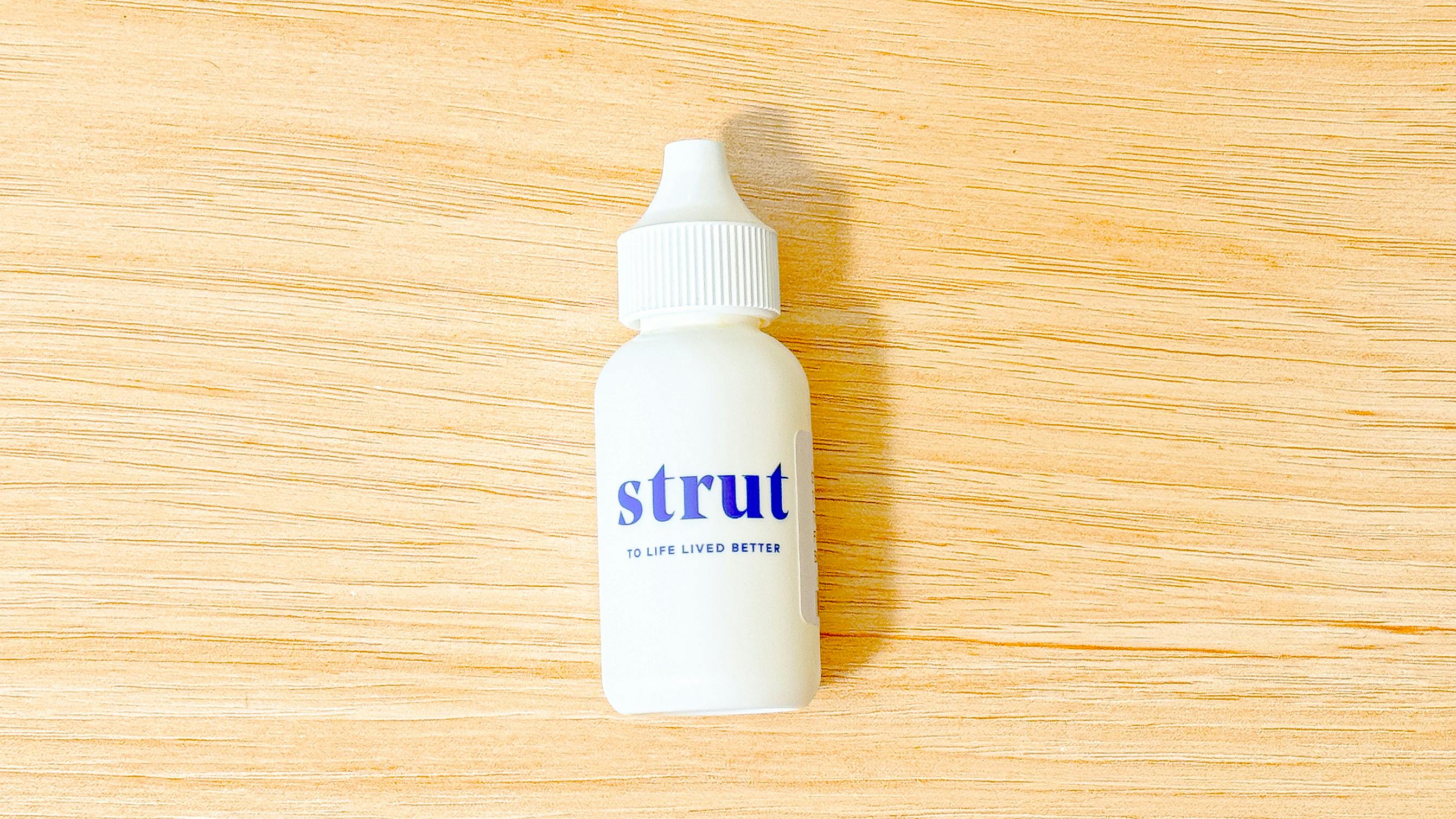
Strut is a telehealth service that offers customizable topical finasteride formulas with board-certified physician oversight. Their topical finasteride formulas offer customizable concentrations, delivery vehicles, and various add-on ingredients (like minoxidil and tretinoin).
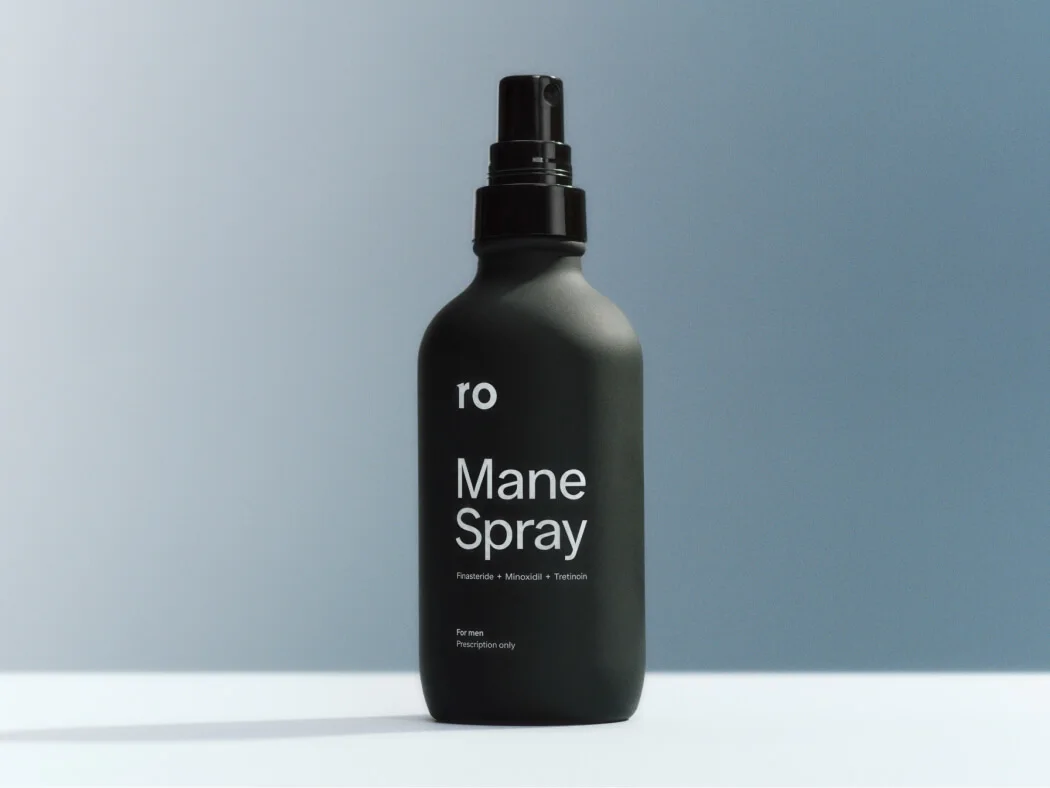
Ro is an established telehealth provider that offers topical finasteride, amongst other hair loss treatments. They provide competitive pricing, combination formulas (with minoxidil and tretinoin), and a high-strength finasteride concentration.
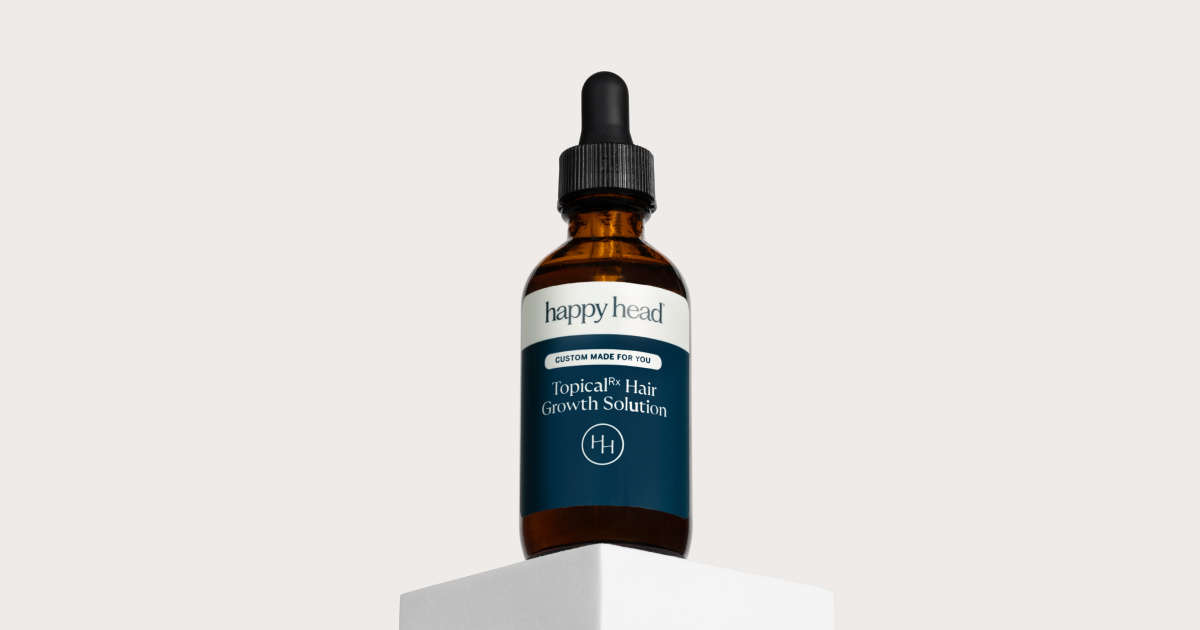
Happy Head is a telehealth service that offers a variety of topical and oral hair loss treatments, including topical finasteride in a slow-release liposomal base.
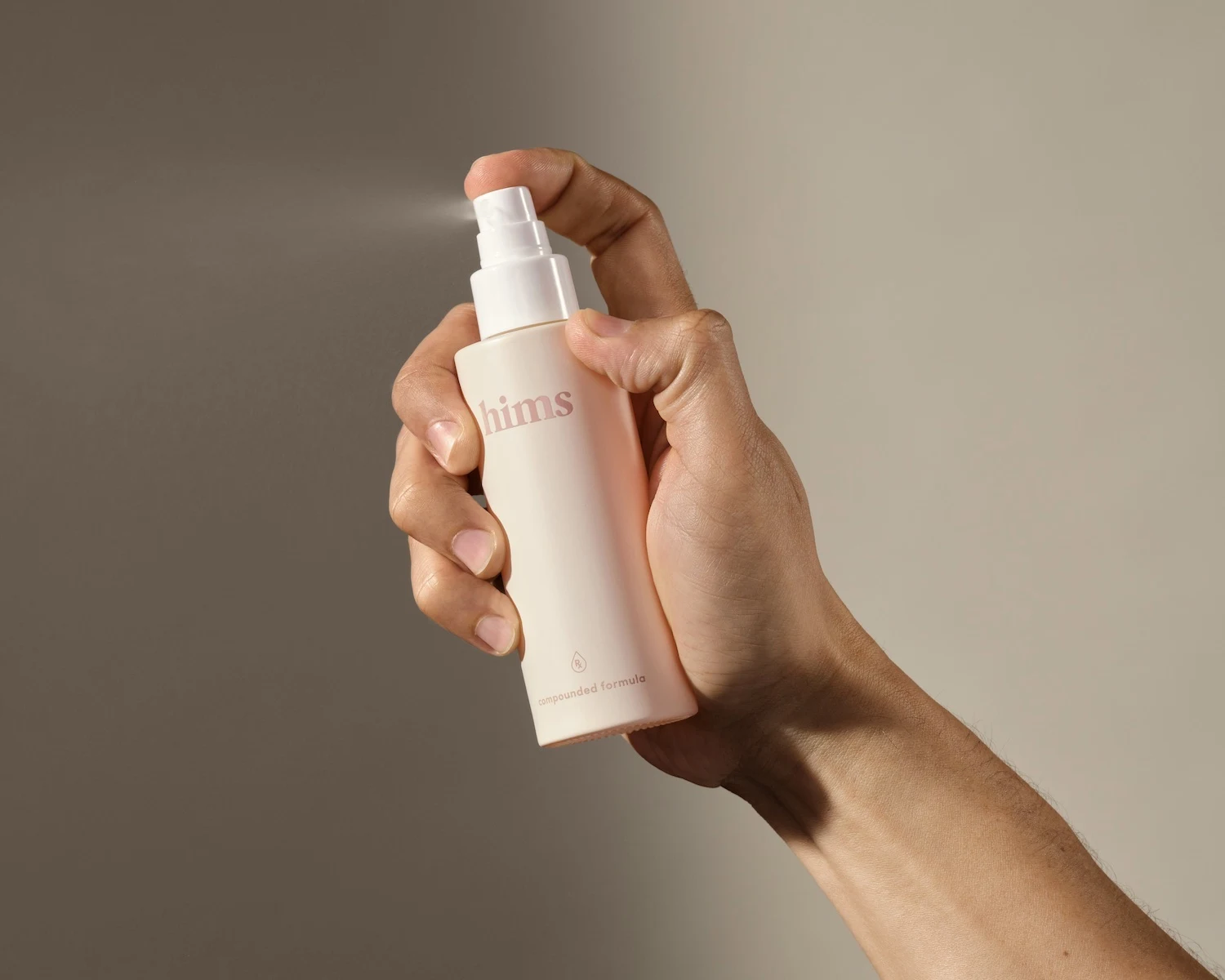
Hims is an established, recognized telehealth provider that offers a wide array of hair loss treatments. Their topical finasteride is a high-dose formula delivered in a spray form, combined with minoxidil.
FAQs
Frequently asked questions.
Get started
Not sure where to start?
We’ll point you to the approach and products best suited to your profile.
- Kaufman KD et al. Finasteride in the treatment of men with androgenetic alopecia. J Am Acad Dermatol. 1998;39(4):578–589.
- Caserini M et al. Effects of a novel finasteride 0.25% topical solution on scalp and serum dihydrotestosterone in healthy men with androgenetic alopecia. Int J Clin Pharmacol Ther. 2016;54(1):19–27.
- Steiner JF. Clinical pharmacokinetics and pharmacodynamics of finasteride. Clin Pharmacokinet. 1996;30(1):16–27.
- Olsen EA et al. A randomized clinical trial of 5% topical minoxidil. J Am Acad Dermatol. 2002;47(3):377–385.
- American Hair Loss Association. Hair Loss Statistics. americanhairloss.org