Best Topical Dutasteride: Top 6 Products of 2026
Topical dutasteride is one of the most potent options available for androgenetic alopecia. It works by blocking both type I and type II 5-alpha reductase the enzymes responsible for converting testosterone into DHT delivering broader DHT suppression than finasteride. In 2026, a growing number of providers offer it in topical form, targeting the scalp directly while reducing systemic exposure. We've reviewed the top 6 to help you choose.
Topical dutasteride is not FDA-approved for hair loss and is used off-label. A prescription is required. Consult a licensed clinician before starting treatment.
What is it?
What is topical dutasteride?
Topical dutasteride is a compounded scalp-applied formulation of dutasteride, a dual 5-alpha reductase inhibitor. Unlike finasteride, which only blocks the type II enzyme, dutasteride blocks both type I and type II isoforms. The result is a more complete reduction in scalp DHT up to 90% in some studies making it a stronger option for those who have not responded adequately to finasteride, or who want more aggressive DHT suppression from the start.
Dutasteride reduces scalp DHT by up to 90%, compared to approximately 70% for finasteride. Delivered topically, it targets the follicle directly with significantly lower systemic exposure than the oral form making it one of the most potent topical hair loss options currently available.
- Achieve greater scalp DHT suppression than topical finasteride
- Halt and potentially reverse androgenetic alopecia in men
- Target both type I and type II 5-alpha reductase at the follicle
- Offer a step-up option for patients who plateaued on finasteride
- Deliver potent DHT inhibition with reduced systemic hormone changes
- Combine well with topical minoxidil or other scalp actives
Topical dutasteride is particularly well-suited for patients who have stabilized on finasteride but want stronger DHT suppression. Because it targets both enzyme isoforms, it can address DHT pathways that finasteride alone does not fully block making it an effective second-line escalation.
- Continued and progressive follicle miniaturization
- Reduction in hair shaft diameter and length with each cycle
- Visible hairline recession and vertex thinning
- Permanent follicle inactivation in severely affected areas
- Narrowing window for pharmacological intervention
- Increased likelihood of requiring surgical restoration
What to watch out for
Common mistakes when buying topical dutasteride.
Ignoring the vehicle / base
The formulation base affects both absorption and tolerability as much as the active ingredient itself. Propylene glycol-containing solutions cause irritation in many users with daily use. Ask your provider specifically about the base before committing.
Expecting results too quickly
Like all DHT blockers, topical dutasteride requires 3 to 6 months before meaningful stabilization becomes apparent. Many patients discontinue within this window, missing the point at which results begin. Consistency is what drives outcomes.
Assuming more potency means faster results
Dutasteride is more potent than finasteride, but that doesn't mean results arrive faster. The hair growth cycle operates on the same timeline regardless of which DHT blocker is used. Patience and consistency remain the most important factors.
Formulation types
Types of topical dutasteride formulations.
Gel base
Provides good adhesion and absorption. Compounded gel bases are often propylene glycol-free, making them better tolerated for long-term daily use. Preferred by most providers offering topical dutasteride.
Solution / liquid
The most common delivery vehicle. Effective but may contain propylene glycol, which can cause scalp irritation in sensitive users. Check the base ingredients before ordering.
Combination formulas
Many providers compound topical dutasteride alongside minoxidil, tretinoin, or other actives in a single formulation. Combining DHT suppression with follicle stimulation addresses hair loss through two distinct pathways simultaneously.
Liposomal formulations
An emerging delivery format that encapsulates dutasteride in lipid carriers for potentially deeper follicle-level penetration and more consistent absorption. Used by select providers including XYON.
Ranked
Top 6 Topical Dutasteride Products of 2026
Our rankings consider formulation quality, clinician access, DHT suppression profile, personalization, and pricing transparency.
At a glance: how they compare
| Product | 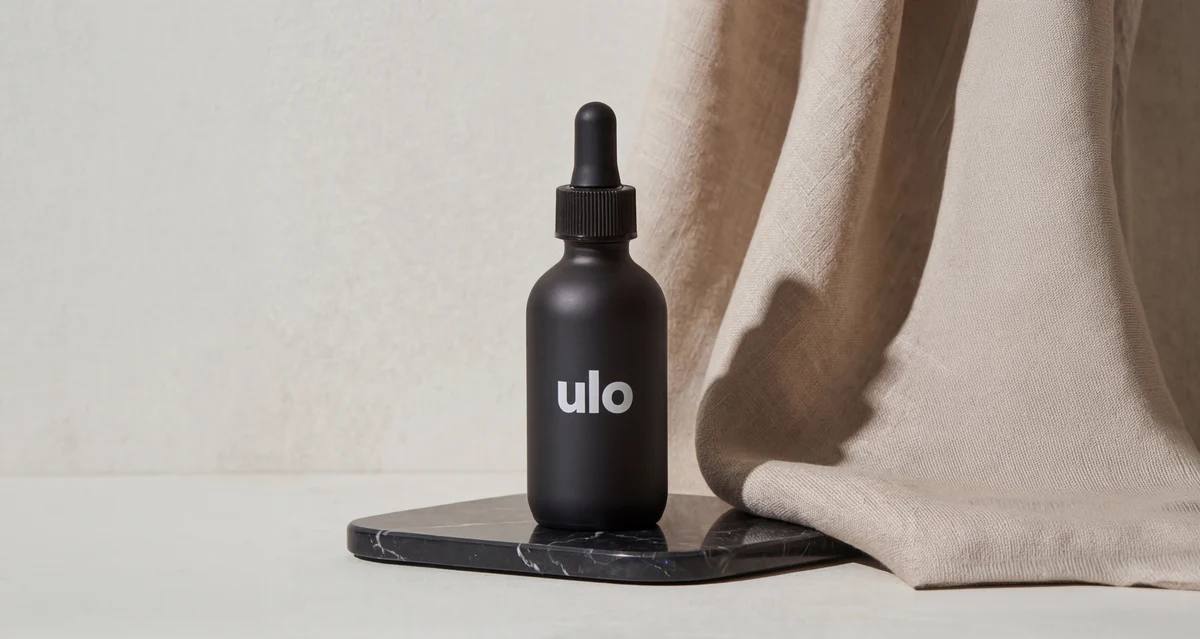 Ulo | 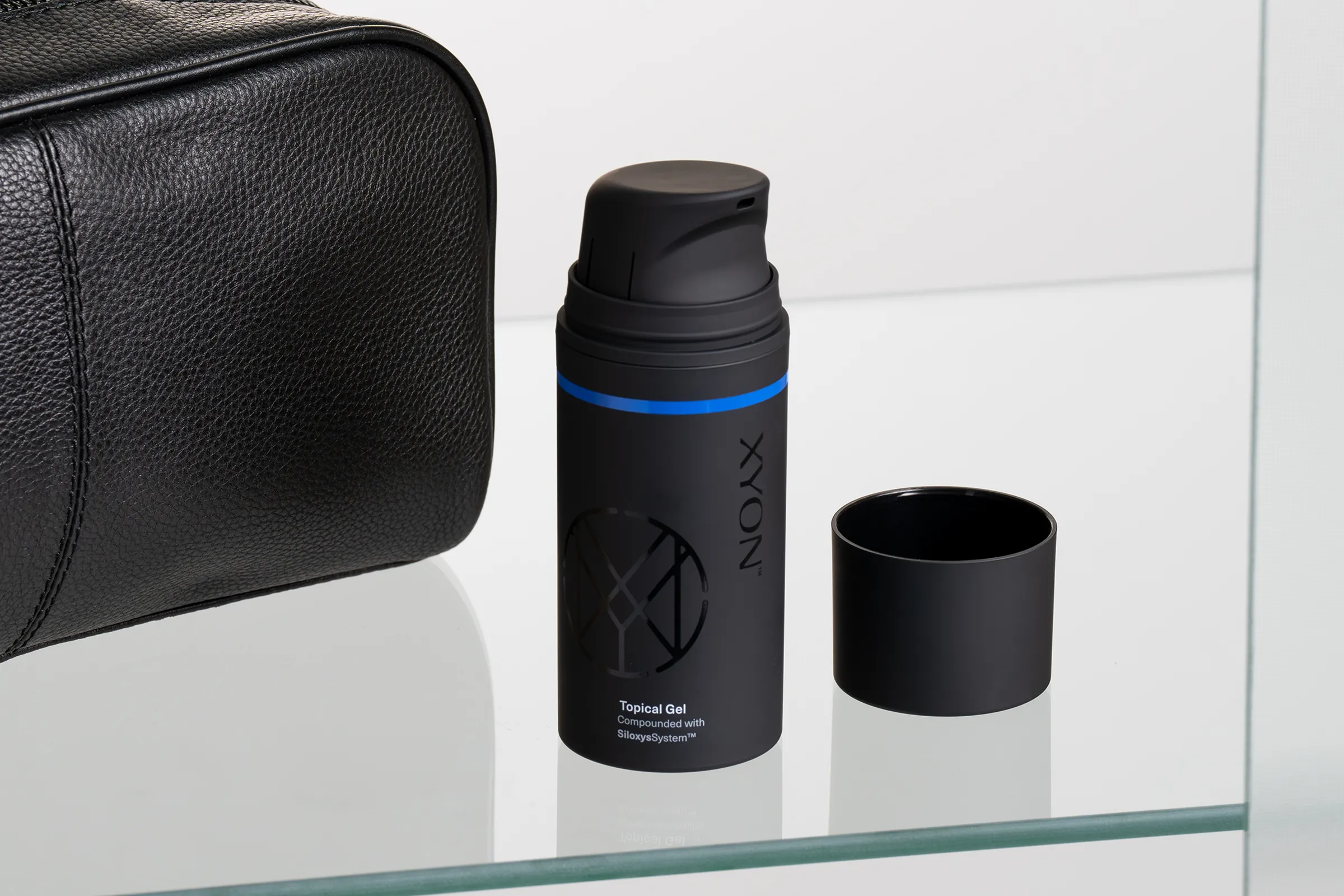 XYON Health | 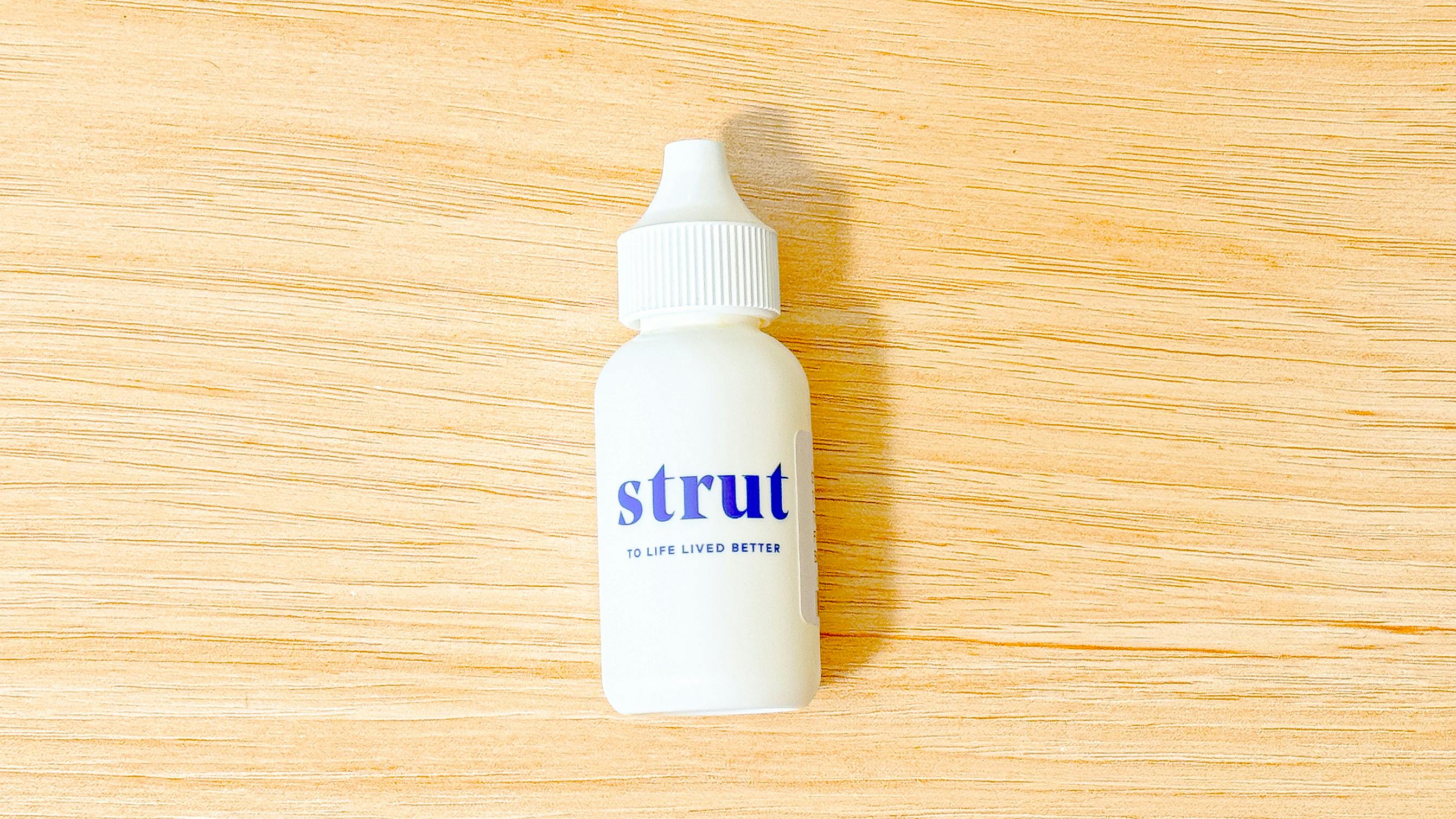 Strut Health |  Blends | 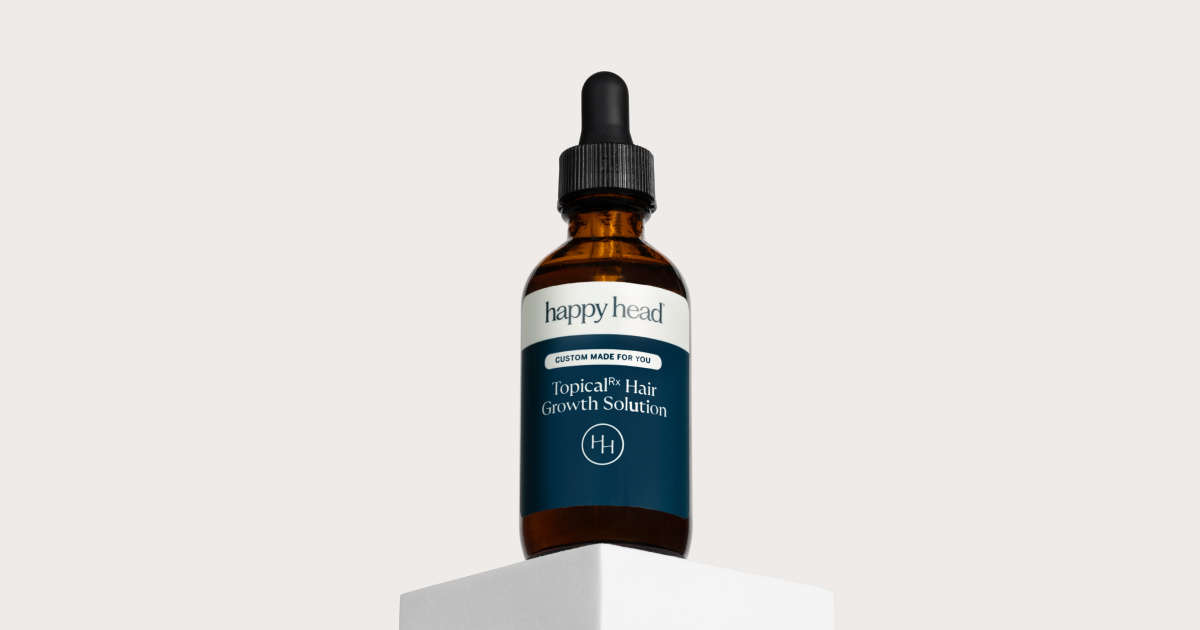 Happy Head | 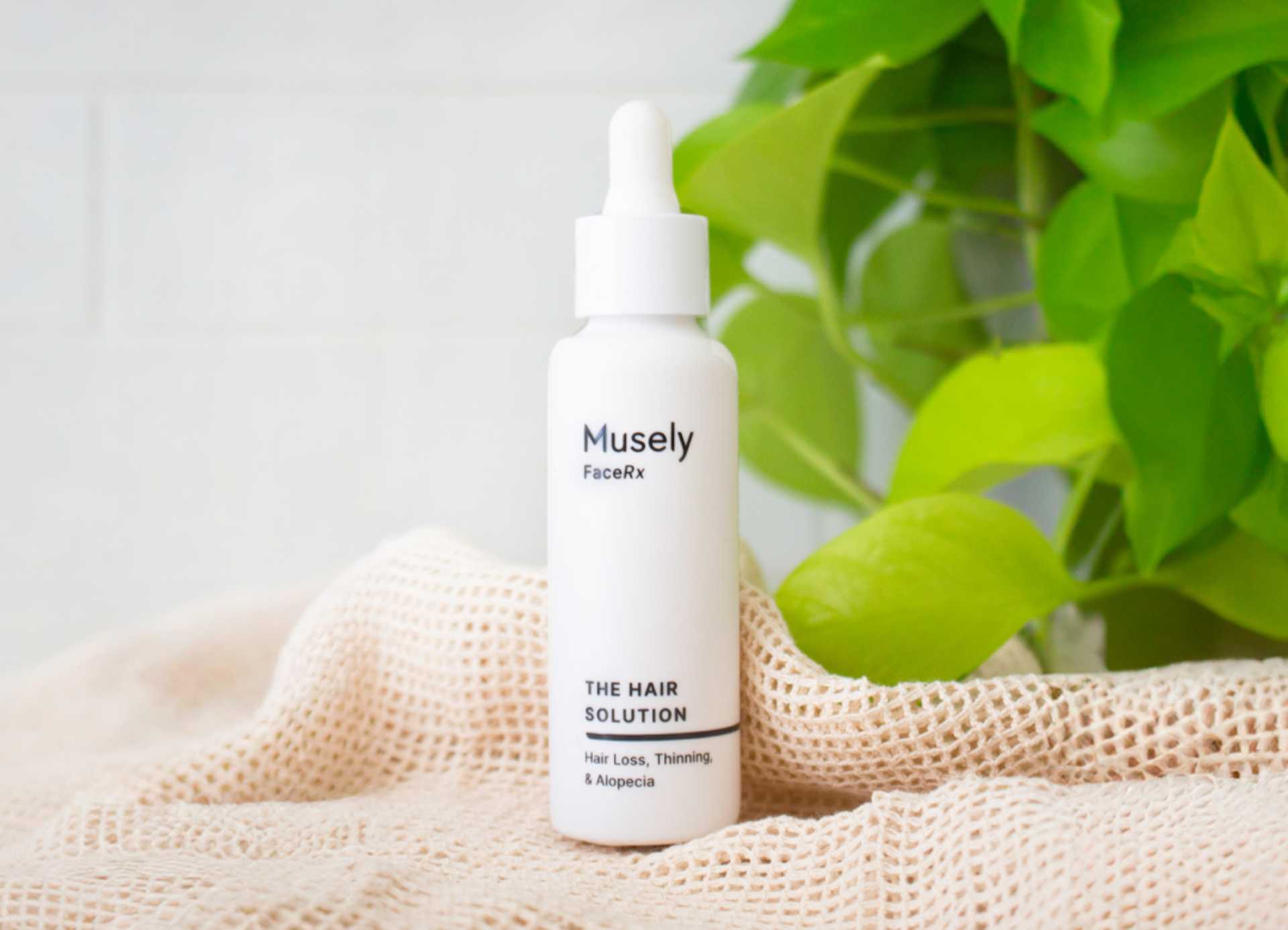 Musely |
| Prescription required | ||||||
| Propylene glycol-free | ||||||
| Combine w/ minoxidil | ||||||
| Adjustable concentration | ||||||
| Customizable formula | ||||||
| Transparent pricing |
Ulo is a telehealth brand specializing in personalized, medically driven hair loss treatments, including topical dutasteride. Ulo prioritizes precision in their patient care, offering customizable dutasteride concentrations in a propylene glycol-free base. Treatments can be combined with prescription-grade minoxidil, tretinoin, cetirizine, and other actives in a single formula, tailored to each patient.
XYON Health is a Canadian telehealth company that offering topical dutasteride formulation in a patented controlled-release gel technology. The formula is designed to maximize dutasteride delivery at the follicle level while minimizing systemic absorption.
Strut is a US-based telehealth provider offering customizable compounded topical dutasteride with board-certified physician oversight. Strut's formulas come in alcohol-free and preservative-free options, with a propylene glycol-free base available. Minoxidil can be added as part of a combination formula, and pricing is transparent from the outset.
Blends is a physician-founded telehealth brand with a focus on advanced, clinically formulated hair loss treatments. Their topical dutasteride is compounded in a proprietary propylene glycol-free gel base, with minoxidil available as a standard add-on. Blends' physician-founded background and emphasis on formulation quality set it apart from less specialized competitors.
Happy Head is a telehealth platform offering topical dutasteride compounded in a liposomal base. The liposomal delivery system encapsulates dutasteride in lipid carriers for targeted scalp delivery, and formulas can be customized with additional actives. Dermatologist oversight is available throughout the treatment process.
Musely is a telehealth platform offering compounded hair loss treatments at competitive price points. Their topical dutasteride formula can include up to 0.3% dutasteride combined with 8% minoxidil, tretinoin, ketoconazole, and hydrocortisone. Dermatologist oversight is provided at onboarding, with a $20 consultation fee. Ongoing follow-up care is lacking.
FAQs
Frequently asked questions.
Get started
Not sure where to start?
We'll point you to the approach and products best suited to your profile.
- Gubelin Harcha W et al. A randomized, active- and placebo-controlled study of the efficacy and safety of different doses of dutasteride versus placebo and finasteride in the treatment of male subjects with androgenetic alopecia. J Am Acad Dermatol. 2014;70(3):489–498.
- Caserini M et al. Effects of a novel finasteride 0.25% topical solution on scalp and serum dihydrotestosterone in healthy men with androgenetic alopecia. Int J Clin Pharmacol Ther. 2016;54(1):19–27.
- Panuganti VK et al. A Randomized, Double-Blind, Placebo and Active Controlled Phase II Study to Evaluate the Safety and Efficacy of Novel Dutasteride Topical Solution in Male Subjects With Androgenetic Alopecia. Cureus. 2025;17(8):e89309.
- Ding Y et al. Dutasteride for the Treatment of Androgenetic Alopecia: An Updated Review. Dermatology. 2024;240(5–6):833–843.
- Fertig RM et al. Sexual side effects of 5-α-reductase inhibitors finasteride and dutasteride: A comprehensive review. Dermatol Online J. 2017;23(11).