Best Oral Minoxidil Providers of 2026
Oral minoxidil has become one of the most widely prescribed off-label hair loss treatments in recent years. Taken as a once-daily low-dose tablet, it works systemically to extend the hair growth cycle and increase follicle size across the entire scalp. In 2026, a growing number of telehealth providers offer it with varying degrees of dosing flexibility, clinical oversight, and add-on ingredients. We've reviewed the top 5.
Oral minoxidil for hair loss is prescribed off-label. It is FDA-approved only for the treatment of high blood pressure at higher doses. A prescription and clinician evaluation are required.
What is it?
What is oral minoxidil?
Oral minoxidil is a vasodilator that works by extending the anagen (growth) phase of the hair follicle, increasing follicle size, and improving blood flow and nutrient delivery to the scalp. Unlike topical minoxidil, which localizes effects at the application site, oral minoxidil is delivered to the scalp through systemic circulation. Clinical evidence demonstrates that low-dose oral minoxidil (0.625mg to 5mg daily) increases hair density in both men and women.
A 2019 study found that 90% of participants slowed or stopped their hair loss with a dose of 2.5 to 5mg of oral minoxidil over 6 to 12 months.
- Extend the hair growth (anagen) phase across the entire scalp
- Increase hair follicle size, resulting in thicker, denser hair shafts
- Improve blood flow and nutrient delivery to hair follicles
- Provide whole-scalp coverage with a single once-daily tablet
- Benefit patients who have not responded to or tolerated topical minoxidil
- Combine with DHT blockers for a comprehensive, dual-mechanism protocol
Starting at the lowest effective dose reduces the risk of side effects, like hypertrichosis and fluid retention. The JAMA Dermatology consensus recommends 1.25mg/day as the starting dose for women and 2.5mg/day for men. Dose escalation should be done under clinician guidance.
- Androgenetic alopecia continues to progress
- Hair follicle miniaturization advances with each growth cycle
- Hair shaft diameter decreases progressively over time
- Areas of diffuse thinning expand in both men and women
- The window for meaningful pharmacological response narrows
What to watch out for
Common mistakes when choosing an oral minoxidil provider.
Starting at too high a dose
The most common side effects of oral minoxidil, including hypertrichosis (unwanted hair growth), fluid retention, and dizziness, are dose-dependent. Starting at the lowest effective dose and escalating only under clinician guidance is the best approach.
Not accounting for initial shedding
Increased hair shedding during the first 4 to 6 weeks of oral minoxidil is expected. However, this is almost always a good sign. Increased shedding caused by minoxidil is caused by dormant hairs in their telogen (resting) phase being pushed out by new hairs. Treatment-induced shedding typically resolves within a month as new hair enters the growth phase. Discontinuing during this period usually does not improve shedding.
Compounding minoxidil with dutasteride in a single capsule
Dutasteride requires a fully-emulsified lipid-based softgel formulation for clinically-validated bioavailability. Compounding dutasteride and minoxidil together in a single powder capsule delivers dutasteride in a form that has not been clinically studied and may significantly reduce its absorption.
Formulation types
Types of oral minoxidil formulations.
Standard tablet [Most studied]
A once-daily oral tablet, typically 1.25mg, 2.5mg, or 5mg. This is the form used in the majority of clinical studies.
Compounded capsule with add-ons
Some providers compound oral minoxidil with other actives, such as dutasteride, vitamin D, or finasteride, in a single capsule. Multi-ingredient capsules are convenient but can compromise the bioavailability of co-ingredients. For example, dutasteride in particular requires a lipid-based softgel for full absorption.
Low-dose formulations
Doses below 1mg (e.g., 0.625mg) are often used for women or those who are sensitive to systemic side effects. Some providers offer tailored low-dose options based on sex, age, and medical history. Starting low reduces the risk of hypertrichosis and cardiovascular side effects.
Combination oral protocols
Oral minoxidil is commonly combined with oral finasteride or dutasteride to target hair loss through two distinct mechanisms simultaneously: minoxidil stimulates follicle activity while DHT blockers slow the hormonal cause of loss. When combining, providers should keep medications in separate formulations when necessary to not compromise efficacy.
Ranked
Top 5 Oral Minoxidil Providers of 2026
Rankings consider dosing flexibility, clinical oversight, formulation quality, combination options, and pricing transparency.
At a glance: how they compare
| Product |  Ulo |  Musely |  Happy Head |  XYON Health |  Ro |
| Prescription required | |||||
| Physician / dermatologist oversight | |||||
| DHT blocker combination available | |||||
| Medications kept in separate formulations | N/A | N/A | |||
| Transparent pricing |
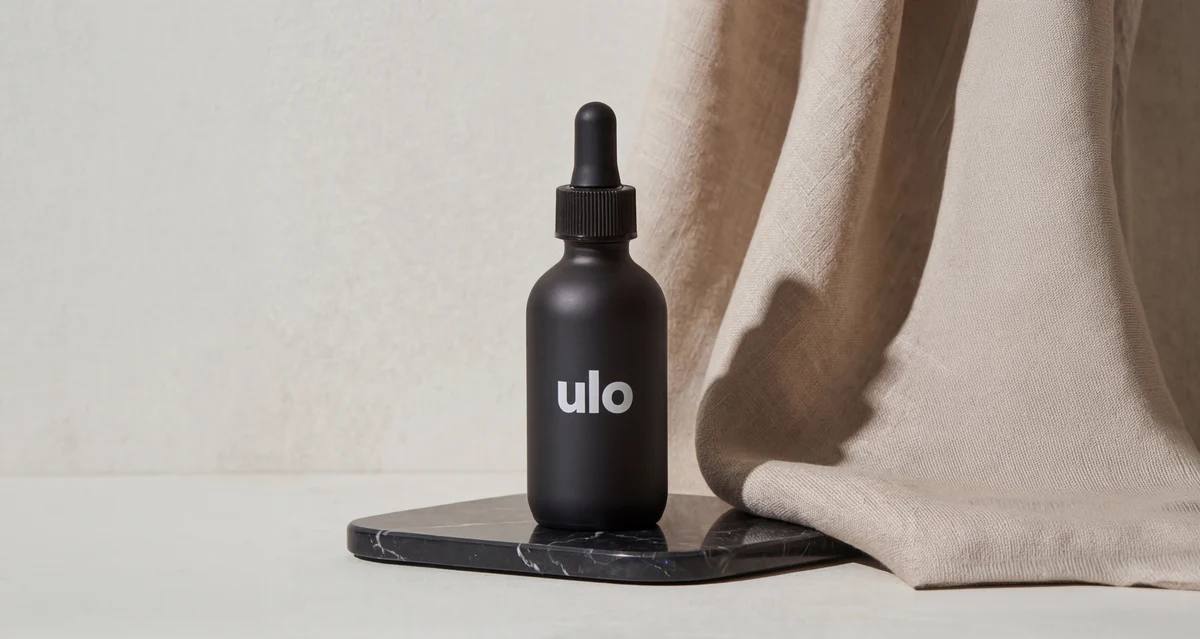
Ulo is a telehealth platform offering oral minoxidil in 1.25mg and 2.5mg tablet strengths, prescribed and monitored by board-certified physicians. Oral minoxidil can be compounded with finasteride or spironolactone (for women) or paired with Ulo's oral dutasteride softgel, with each medication kept in its own formulation to preserve bioavailability. Folic acid and vitamin D are available as optional adjuncts to combination pills for patients seeking additional nutritional support.
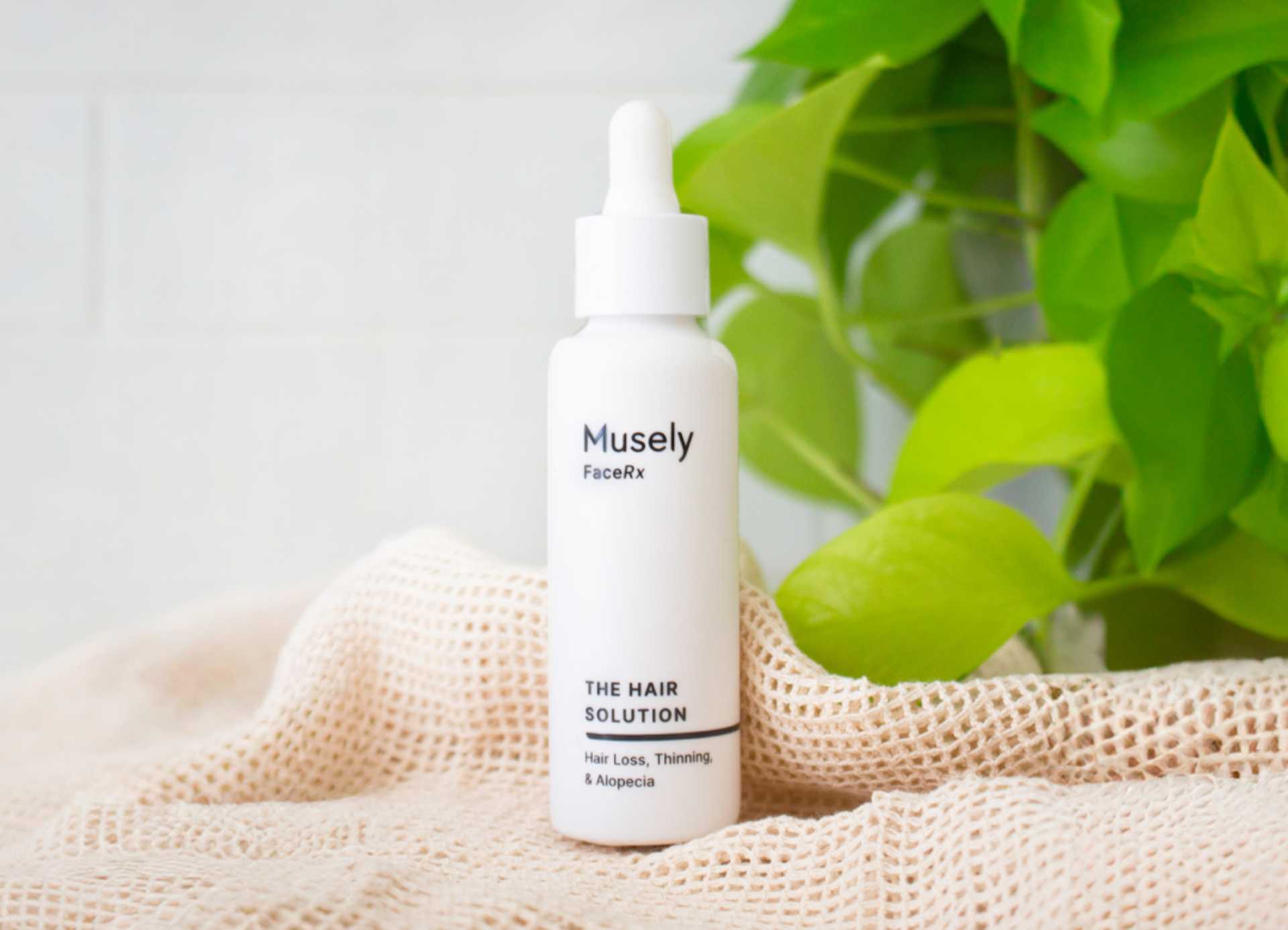
Musely's Hair Pill is a compounded prescription capsule available in three formulas tailored by sex and treatment goals. The standard Bloom formula contains minoxidil (1mg) and dutasteride (0.4mg), with Bloom+ increasing the minoxidil to 2mg. A board-certified dermatologist conducts the initial onboarding consultation, and ongoing follow-up is handled through the platform's automated eNurse system. Pricing starts from around $32/mo.
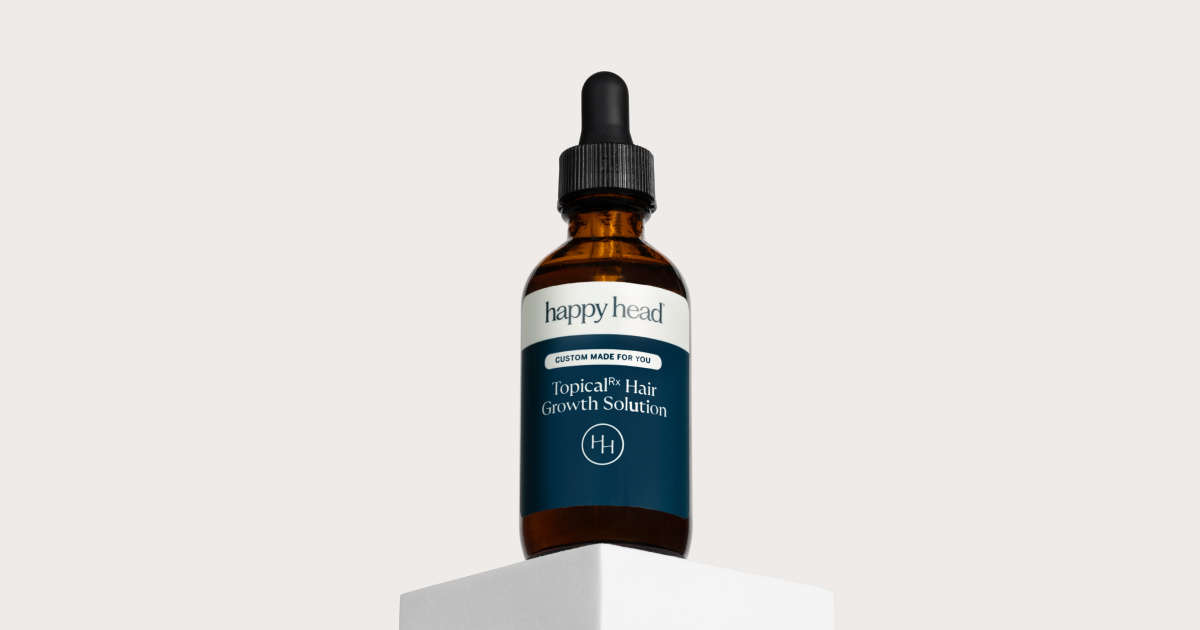
Happy Head offers oral minoxidil under dermatologist supervision, with the option to upgrade to their SuperCapsule, combining minoxidil (1.25mg), dutasteride (0.5mg), and vitamin D3 (2,000 IU) in one daily pill. A single combined pill is convenient, but compounds dutasteride and minoxidil together, delivering dutasteride in a form that has not been clinically-validated for bioavailability.
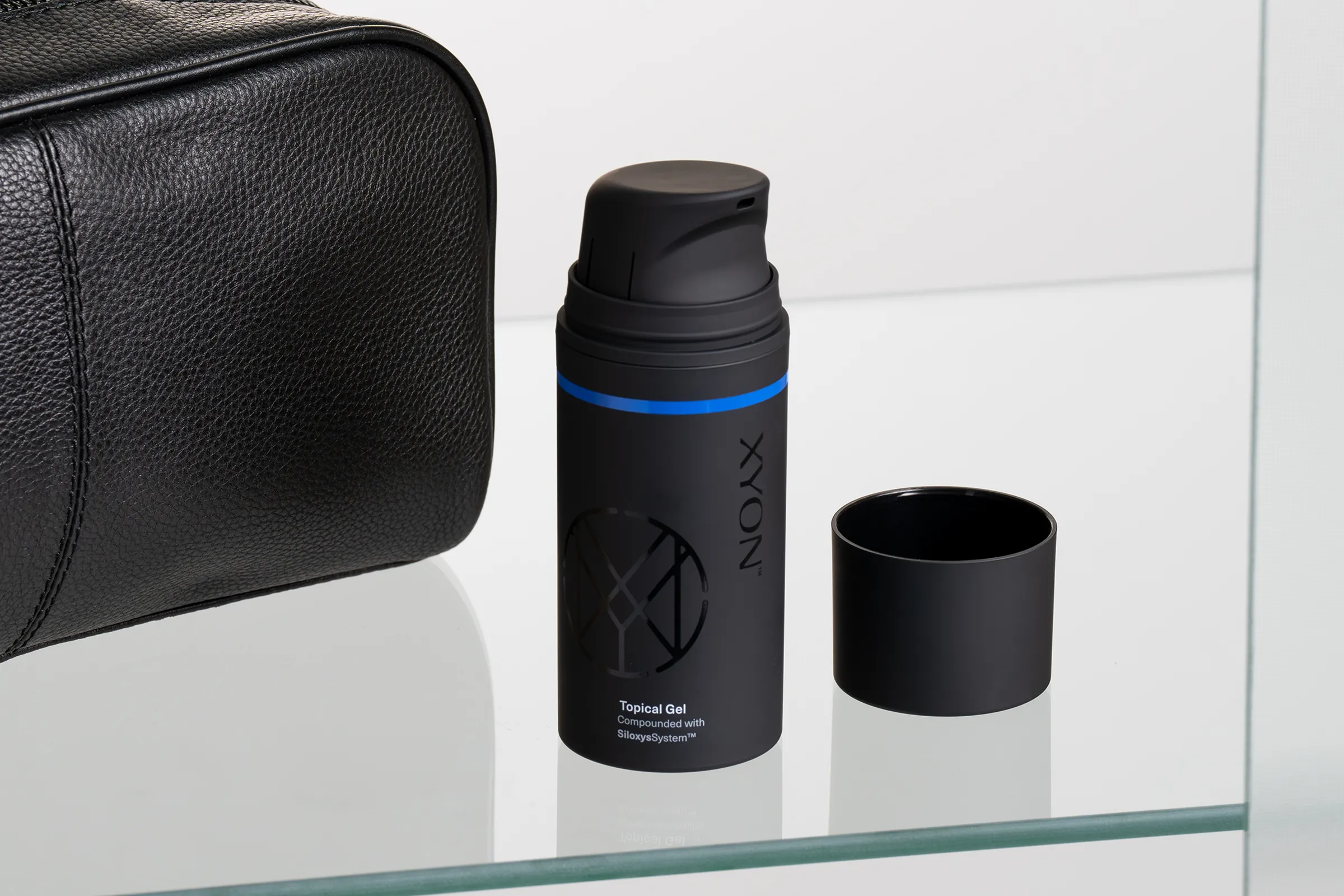
XYON Health offers oral minoxidil in standard tablet form with vitamin D (500 to 2,000 IU). The vitamin D addition is designed to support follicle regeneration and hair growth cycle regulation, complementing minoxidil's vasodilatory mechanism. Physician consultation is required, and both men and women are eligible. Available in the USA and Canada.
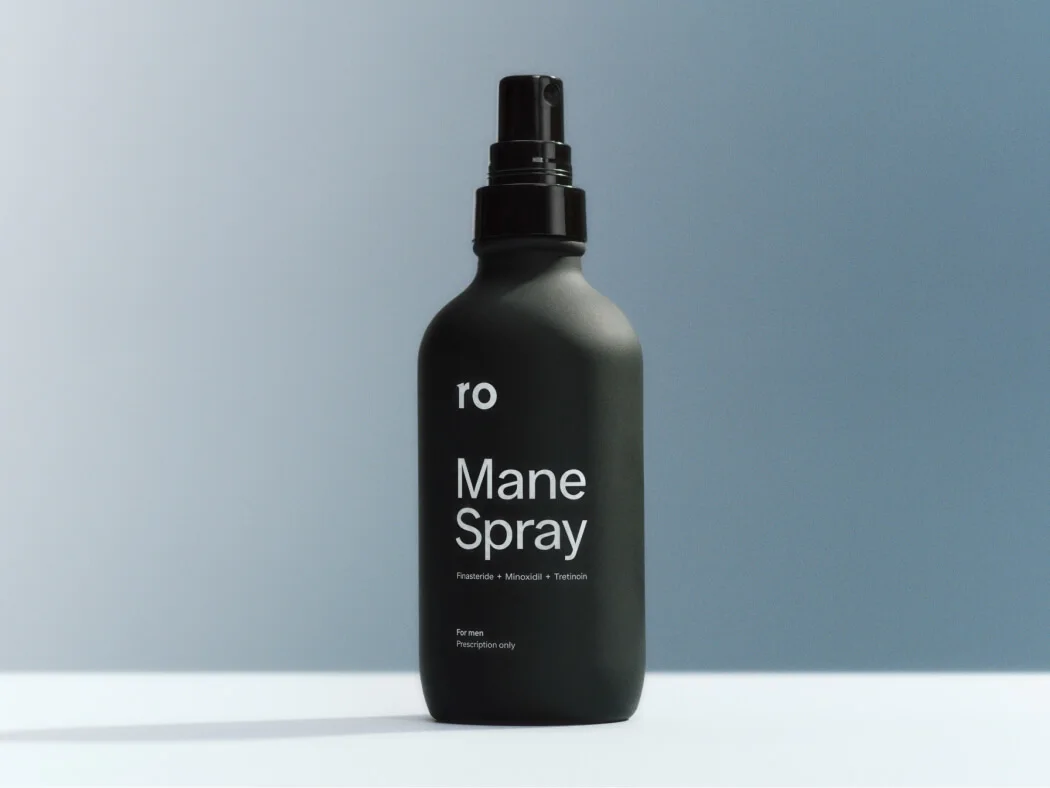
Ro offers oral minoxidil as a prescription medication for both men and women, available as part of their broader hair loss portfolio alongside topical minoxidil and oral finasteride. The process is entirely online, and free unlimited provider follow-ups are included with any treatment plan. Dosage is flexible and prescribed by providers, who determine whether 2.5mg (1 pill) or 5mg (2 pills) is taken daily.
FAQs
Frequently asked questions.
Get started
Not sure where to start?
We’ll point you to the approach and products best suited to your profile.

- Jimenez-Cauhe, Juan et al. Effectiveness and safety of low-dose oral minoxidil in male androgenetic alopecia. Journal of the American Academy of Dermatology. 2019;81(2):648–649.
- Vano-Galvan S et al. Safety of low-dose oral minoxidil for hair loss: A multicenter study of 1404 patients. J Am Acad Dermatol. 2021;84(6):1644–1651.
- Gupta AK et al. There is a positive dose-dependent association between low-dose oral minoxidil and its efficacy for androgenetic alopecia: findings from a systematic review with meta-regression analyses. Skin Appendage Disord. 2022.
- Ramos PM, Miot HA. Female Pattern Hair Loss: A Clinical and Pathophysiological Review. An Bras Dermatol. 2015;90(4):529–543.
- Saini K, Mysore V. Role of vitamin D in hair loss: a short review. J Cosmet Dermatol. 2021;20(11):3407–3414.